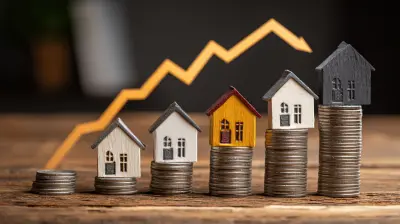
The Ultimate Home Improvement Checklist for New Homeowners
12 October 2026
Buying a home is the largest financial commitment most people will ever make. Yet the moment the keys change hands, a strange thing happens: the careful planning that went into the purchase often evaporates. New owners stand in the middle of an empty living room, overwhelmed by possibility, and start making decisions based on emotion rather than strategy. That is how people end up with a finished basement they never use while the roof leaks into the attic.
This checklist is built on a different premise. Your first years of ownership are not about making the house pretty. They are about protecting the asset, understanding its systems, and sequencing improvements so that each dollar spent makes the next dollar go further. Get the order right and you will save tens of thousands over the life of the home. Get it wrong and you will pay twice for the same job.
What follows is a practical, prioritized framework. It is not a list of chores. It is a decision-making system.
Start With Protection, Not Decoration
The single most common mistake new homeowners make is treating cosmetic upgrades as urgent. Paint colors, light fixtures, and furniture arrangements feel pressing because they are visible. Water damage, failing seals, and overloaded electrical circuits are invisible until they become expensive.Think of your home as a body. Before you worry about its wardrobe, you confirm that its organs are functioning. A house has four critical systems that determine whether everything else you do will last: water management, structural integrity, electrical capacity, and climate control. Every improvement you make sits on top of those systems. If the foundation is wet, the beautiful hardwood floor you install will cup and warp within a year.
The First 30 Days: Document Everything
Before you change a single thing, build a record. This is not busywork. It is the foundation of every future decision, from insurance claims to renovation planning.Walk the property with a notebook and photograph everything: the electrical panel with its breaker labels, the water heater's data plate, the HVAC unit's model and serial numbers, the underside of sinks, the attic insulation, the crawlspace or basement walls, the garage door mechanism, and the exterior grading around the foundation. These photos become your baseline. When you notice a stain on the ceiling in eighteen months, you will know whether it was there when you moved in.
Locate the main water shutoff valve and test it. Locate the gas shutoff if you have gas service. Find the electrical disconnect for the HVAC system. In an emergency, minutes matter, and fumbling in the dark for a valve you have never seen is how small problems become catastrophic ones.
Create a simple maintenance file, physical or digital. Every receipt, warranty, and service record goes in it. When you sell the house, this file becomes a negotiating asset. Buyers pay more for homes with documented maintenance, and inspectors can verify the work.
The Priority Framework: How to Sequence Improvements
Not all improvements are equal. The mistake is treating them as a flat list. A better approach sorts every potential project into four tiers, and you work through them in order.Tier 1: Health, Safety, and Water. Anything that prevents injury, fire, mold, or structural decay. This includes roof repairs, grading and drainage, electrical hazards, gas leaks, and moisture intrusion.
Tier 2: Efficiency and Durability. Improvements that reduce ongoing costs or extend the life of major systems. Insulation, air sealing, HVAC servicing, and appliance maintenance belong here.
Tier 3: Function and Comfort. Changes that make the home work better for how you actually live. Storage, lighting, layout adjustments, and ergonomic fixes.
Tier 4: Aesthetics and Value. Cosmetic upgrades and resale-oriented projects. These come last because they are the most reversible and the least urgent.
The logic is simple. Tier 1 protects everything below it. Tier 4 is the only tier where a mistake is merely disappointing rather than destructive. Spend your first year in Tiers 1 and 2, and you will enter Tier 3 with a house that is dry, safe, and cheap to operate.

Tier 1: The Non-Negotiables
Water Is the Enemy
Water destroys more homes than fire, theft, and earthquakes combined. It works slowly and invisibly, and by the time you see evidence, the damage is often advanced.Start outside. Water should flow away from your foundation on all sides. Check that the ground slopes away from the house, that gutters are clear and draining at least several feet from the foundation, and that downspouts extend far enough to deposit water where it cannot seep back. A simple downspout extension costing a few dollars can prevent thousands in foundation repair.
Inside, inspect every water line and connection. Look under sinks, behind the washing machine, around the water heater, and at the base of toilets. Look for staining, soft drywall, or a musty smell, which often indicates hidden moisture. Check the supply lines to appliances; rubber hoses degrade and should generally be replaced with braided stainless steel, which resists bursting far better.
Know the age of your water heater. Most tank units last somewhere in the range of eight to twelve years, though this varies with water quality and maintenance. If yours is near the end of its expected life, replacing it proactively is far cheaper than cleaning up after a tank failure.
Roof and Attic
The roof is your home's umbrella, and the attic is where roof problems show up first. From inside the attic, look for daylight, dark stains, or sagging sheathing. From outside, look for missing, cracked, or lifted shingles and for flashing that has pulled away around chimneys and vents.Attic ventilation matters more than most owners realize. Without adequate intake and exhaust ventilation, heat and moisture build up, which shortens shingle life and can lead to mold. Check that soffit vents are not blocked by insulation and that ridge or roof vents are clear.
Electrical Safety
Older homes frequently have electrical systems that were adequate for the appliances of their era but are strained by modern loads. Warning signs include breakers that trip repeatedly, lights that dim when appliances start, warm or discolored outlet covers, and a faint burning smell.Two specific concerns deserve attention. First, aging wiring insulation can become brittle and hazardous, particularly in older homes. Second, certain legacy outlet types without modern grounding and protection present real shock and fire risks. If you are unsure, hire a licensed electrician for an evaluation. This is not a place to save money.
Also confirm that your smoke and carbon monoxide detectors are present, correctly placed, and functioning. Replace the batteries immediately, regardless of what the seller told you.
Heating, Cooling, and Combustion
Have your HVAC system professionally serviced before you rely on it. A technician will clean the unit, check refrigerant levels, inspect the heat exchanger, and replace filters. A cracked heat exchanger in a furnace can release carbon monoxide into the home, which is why annual inspection is not optional.Change your air filters on a schedule. This single habit, costing almost nothing, improves air quality, lowers energy bills, and extends equipment life. The right interval depends on your filter type and environment, but checking monthly is a reasonable starting point.

Tier 2: Efficiency and Durability
Once the home is safe and dry, shift your attention to how it performs over time. Efficiency improvements are unusual among home projects because they pay you back continuously rather than once.Air Sealing Before Insulation
This is one of the most misunderstood principles in home performance. Many owners add insulation first, then wonder why the house still feels drafty. Insulation slows heat transfer, but air sealing stops the movement of air itself. If you insulate a leaky house, you have essentially put a hat on a person with a hole in their coat.Air sealing means closing the gaps where air moves between conditioned and unconditioned spaces: around pipes and wires penetrating the attic floor, around recessed light fixtures, at the top of foundation walls, and around windows and doors. It is often inexpensive and dramatically effective.
Insulation Done Right
When you do insulate, pay attention to the whole assembly, not just the thickness. Compressed insulation performs poorly, so it must be installed at its intended density. In cold climates, attic insulation should generally be deep enough to bury the ceiling joists. In hot climates, radiant barriers and proper ventilation can reduce cooling loads noticeably.Windows: A Nuanced Decision
Replacement windows are heavily marketed, and they are frequently oversold as an energy solution. The truth is more complicated. Windows lose heat primarily through air leakage and conductive frames, and the payback period for full replacement is often long. If your windows are structurally sound but drafty, weatherstripping, caulking, and storm windows can capture much of the benefit at a fraction of the cost.Replace windows when they are failing, when frames are rotted, when operation is unsafe, or when you are already renovating the surrounding wall. Do not replace them purely for energy savings without running the numbers first.
Tier 3: Function and Comfort
With the house protected and efficient, you can now make it work better. This tier is where you solve the daily irritations that you noticed during your first months of living there.Live Before You Renovate
Here is the most valuable advice in this entire article: live in the house for at least six months to a year before undertaking major functional changes. You cannot know how you will use a space until you have used it. The kitchen island you are certain you need may turn out to block the path you actually walk a hundred times a day. The wall you want to remove might be the one that gives you the privacy you will later crave.Lived experience reveals what drawings cannot. Wait, observe, and then renovate with confidence.
Storage and Organization
Storage improvements have an outsized effect on daily satisfaction relative to their cost. Well-designed closets, a functional pantry, and a properly organized garage reduce friction in your life every single day. These projects rarely top anyone's wish list, yet they consistently rank among the most appreciated upgrades by people who have done them.Lighting
Lighting transforms how a room feels and functions. Layer your lighting: ambient light for general illumination, task light for work areas, and accent light for depth and mood. Replace dim, outdated fixtures in high-use areas first. Dimmers are inexpensive and dramatically increase the flexibility of any room.
Tier 4: Aesthetics and Value
Only now should you think about beauty and resale.The Renovation Trap
Major kitchen and bathroom remodels are the projects most likely to go over budget and over schedule, and they rarely return their full cost at resale. This does not mean you should never do them. It means you should do them for your own enjoyment, with clear eyes about the financial reality.If your goal is resale value, focus on the improvements that consistently appeal to broad buyer pools: neutral, durable finishes, updated lighting, functional layouts, and a clean, well-maintained exterior. Curb appeal is real and measurable. A well-kept yard, a sound front door, and tidy landscaping shape a buyer's first impression before they ever step inside.
Know When to Hire a Professional
Some jobs are genuinely do-it-yourself friendly: painting, caulking, replacing fixtures, minor landscaping, and simple repairs. Others are not: electrical work beyond swapping a fixture, gas line work, structural changes, roofing, and anything involving major plumbing.The dividing line is not difficulty. It is consequence. If a mistake could burn down the house, flood it, or injure someone, hire a licensed professional and verify their credentials and insurance. A permit is not bureaucracy; it is a record that the work was inspected and meets code. Unpermitted work can complicate insurance claims and resale.
Common Mistakes and Misconceptions
Mistake one: prioritizing cosmetics over systems. The pretty kitchen in a house with a failing roof is a liability, not an asset.Mistake two: skipping the home inspection follow-up. Your inspection report is a roadmap. Treat its recommendations as your first-year to-do list, not a document to file away.
Mistake three: underestimating ongoing maintenance costs. A useful rule of thumb is to budget roughly one percent of your home's value annually for maintenance and repairs, though this varies widely with the age and condition of the home. New owners who fail to plan for this are the ones surprised by a failed water heater in month three.
Misconception: newer homes need no maintenance. New construction has its own issues, from settling cracks to warranty items. A first-year walkthrough with the builder, if available, is valuable.
Misconception: expensive equals better. Cost and quality correlate loosely. Some of the highest-impact improvements, like air sealing and drainage correction, are among the cheapest.
A Realistic First-Year Timeline
Months one and two: document the home, locate shutoffs, test detectors, and address any health or safety findings from your inspection.Months three through six: service the HVAC, inspect the roof, correct drainage, and begin air sealing. Live in the home and observe how you use it.
Months six through twelve: complete insulation improvements, tackle storage and lighting, and draft a longer-term plan for larger projects.
Year two and beyond: undertake functional renovations and aesthetic upgrades with the knowledge you have gained from actually living in the space.
The Bottom Line
A home is not a finished product. It is a system that rewards attention and punishes neglect. The new owners who thrive are the ones who resist the urge to decorate first and instead protect, understand, and sequence. They treat their home as an investment in both senses of the word: a financial asset and a place to live well.Start with water, safety, and structure. Move to efficiency. Then make it work for your life. Beauty comes last, and by then, it will rest on a foundation that will hold.
all images in this post were generated using AI tools
Category:
Home ImprovementAuthor:

Lydia Hodge